

So very confused
When I was little, I remember watching a little boy dress up as a fireman and a little girl as a doctor and they pretended to save each other.
Four-year-old-me felt confused watching them play—not because I didn’t understand why they were playing together, but because I didn’t understand how.
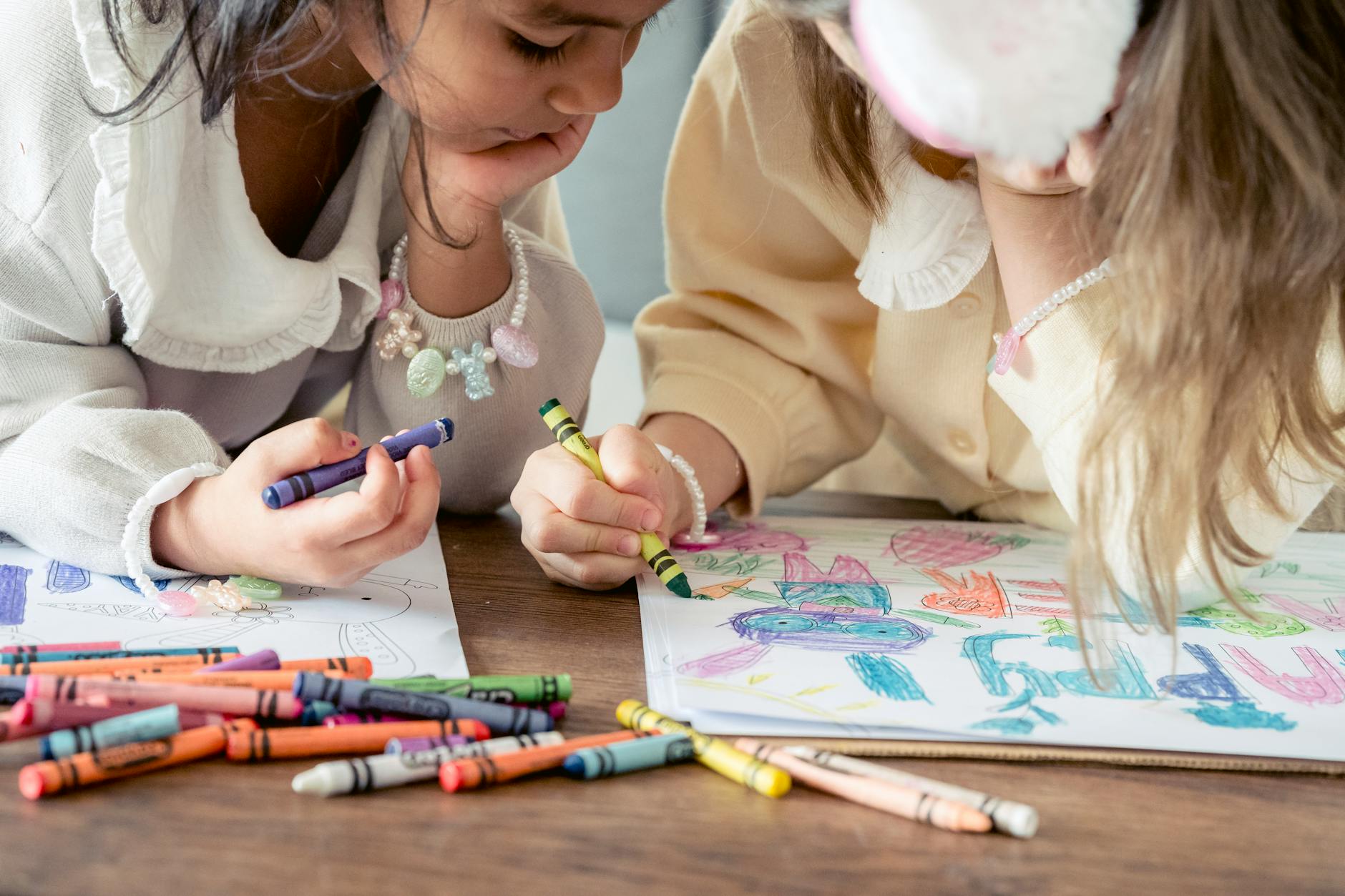
I didn’t know how to invite others to play, join them, or engage with them continuously. I wondered, are there instructions for playing with friends?
By the time I was ten, I noticed friend groups forming around me. I observed other kids playing and laughing together, listening carefully to what they said, trying to discover some sort of pattern I could emulate. I often thought, how do they know what to say to each other?
I had friends, or rather, friends found me. I learned that it was easier to listen than to talk and risk saying the wrong thing. Some people seemed to appreciate my quiet demeanor, I was the “quiet girl.”
Others, however, disliked how little I spoke. They were not afraid to let me know, and I felt very insecure about it.
Building a better mask
I thought everything would change once I became independent in college. I hoped I would eventually understand social interactions or grow out of naivety.
That didn’t happen. So, I started reading books about making friends, small talk, and networking. I even switched my major to psychology, which helped me gain insight into how people function and think.
When I engage in conversation, I have to remind myself to smile, make eye contact (but not too much), analyze others’ tone for sarcasm and words for metaphor (and translate into memorized definitions), think of appropriate responses, and control my tone.
Frankly, it’s exhausting.
Participating in group conversations is especially challenging because there are no clear rules about when I should speak. I sometimes say things that are inappropriate in tone or context, but I don’t realize until I get a clear reaction from others.
For a neurodivergent person, masking or camouflaging refers to changing behaviors to fit in or hide neurodivergent traits (like pretending to understand sarcasm or suppressing stimming).
I faced challenges forming and maintaining relationships my entire life. The better I built my mask, the more friendships I had. However, masking can lead to severe burnout. For myself, the result was anxiety and depression.
The mask debate
The debate: to mask or not to mask?
On one hand, not masking can impact career and relationship stability or progression, potentially leading to isolation and negative mental health outcomes. Some consider masking to be a privilege that allows neurodivergent individuals to integrate into society.
On the other hand, masking can also negatively impact mental and physical health. It is both unsustainable and unfair—why can’t I be accepted as I am?
I am learning how to unmask and who I feel comfortable unmasking with. Unmasking for me is a vulnerable state and takes unlearning habits that I spent years forming. I still mask a majority of the time, though I set better boundaries on recovery time to buffer the negative effects.
I’ve also learned some helpful skills and tricks, like asking someone politely if they intended a comment to be sarcastic. And now my partner is used to me sitting directly next to him at restaurants, as eye contact from directly across the table is challenging for me.
Acceptance and community
Growing up, I often felt like an alien from outer space, as if I were a character in a movie, being watched while trying to play a part without a script. I am learning to accept that I will never fully understand other people, and that my mask is both a survival skill and harmful in many ways.
I am so grateful to now know that I am not alone in facing this challenge. In fact, I have a community who understands and accepts me. I hope that as a society, we can learn to recognize and accept neurodivergent traits to reduce bullying and social exclusion for those who do not mask. Until then, my dear neurodivergent friends, let’s continue to support and learn from each other.*
*Especially those without a voice or a platform
 The Point of Divergence