
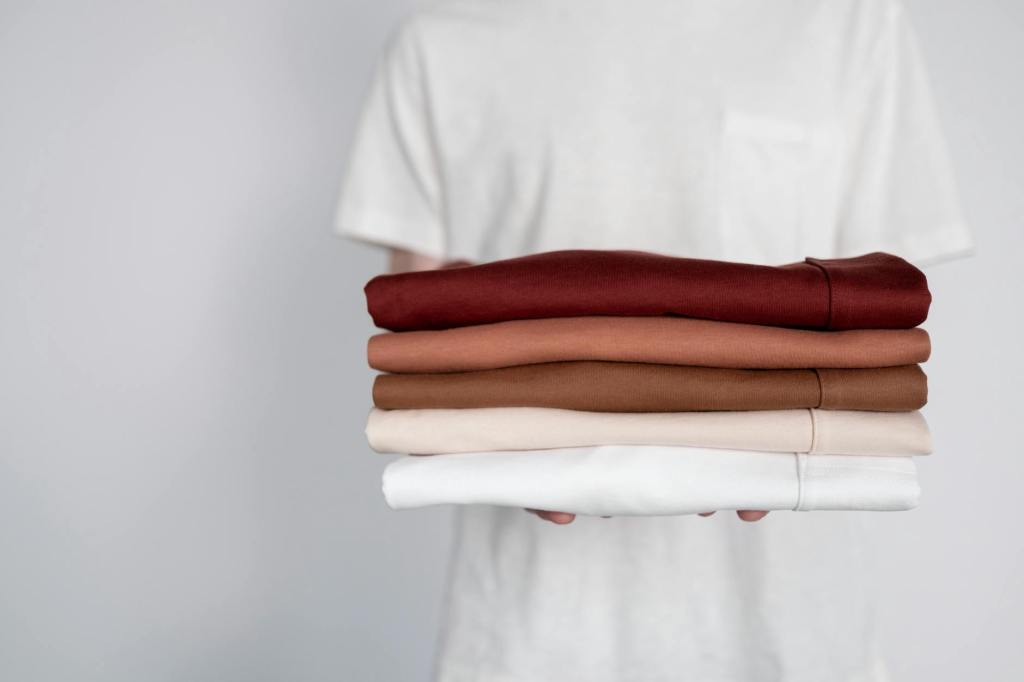
Whether you have dirty clothes layered on your floor or a pile of neglected clean clothes piled on a chair you never get to sit on, laundry can be extra challenging to complete for those with sensory aversions.
You might not yet know what about laundry makes it so unbearable for you. If so, I encourage you to practice mindfulness next time you need to do laundry. As you start the task, pay attention to any discomfort, annoyance, or difficulty you have.
Remember, you don’t need to complete the laundry all at once. You can take breaks, keep clean clothes in baskets, and fold the clothes when you’re ready. If the clothes get wrinkled from being left in a pile, use a steam gun or an iron to fix them right up.
If your laundry sensory aversion is…
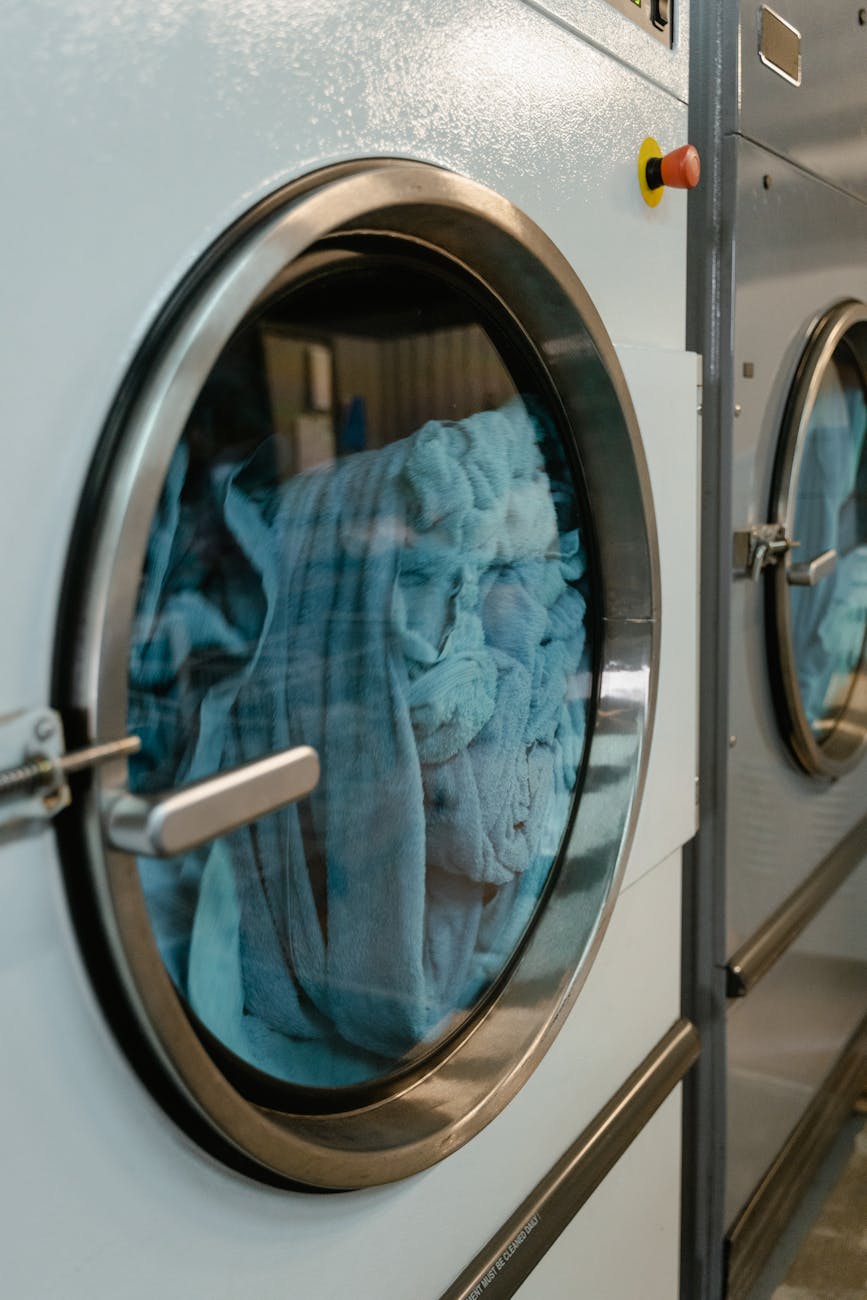
Noise
Whether it’s the water rushing into the washer, the chugging of turning clothes, or the clicking of the zipper on that one pair of jeans in the dryer. Washing and drying laundry is LOUD. Don’t even get me started on the noisiness of laundromats (if you know, you know).
For my (un)lucky friends spending their Saturdays waiting for open machines at the laundromat, I recommend stepping outside to take breaks, using noise-cancelling ear buds/headphones (music optional), or maybe asking a laundromat employee when the slowest business hours are.
For the home setting, consider adding noise-reducing wall panels in the laundry room, keeping the door closed when laundry is running, and ensuring that the laundry in top-load washers is evenly distributed. You can also play some music or use noise-cancelling headphones at home.
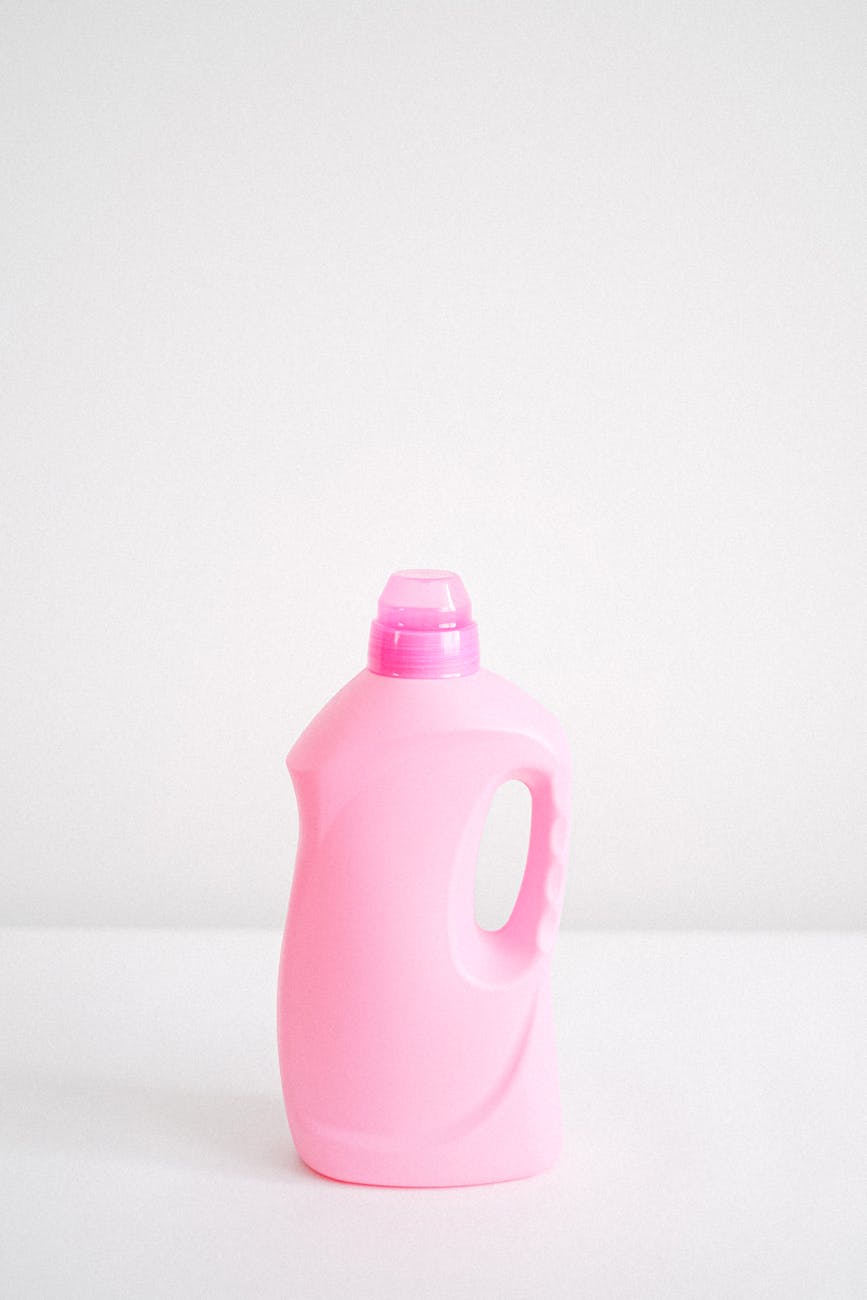
Smell
Not all of us relate to the actors deeply inhaling the smell of clean clothes against their faces in laundry detergent commercials.
If the smell of laundry detergent bothers you, opt for the free-and-clear versions of detergent and fabric softener. Bonus points if you use wool balls in the dryer instead of fabric softener to decrease static and fluff your clothes. Free-and-clear products tend to have a slight clean scent without harsh fragrances, whereas wool balls will not contribute any smell.
Consider adding baking soda to the washer to help deodorize stinky clothes, or vinegar as a liquid fabric softener. However, do not combine both in one wash, as they neutralize each other, and make sure that they are safe for the type of fabric you are washing. Check out this article from The Spruce for more information.

Touch
My hands feel dry just thinking about folding laundry. If touching clean fabrics makes your hands feel like they are shriveling from dehydration, keep a bottle of lotion nearby as you fold your clothes. Use on your hands as needed to relieve dryness.
If the texture or wetness of the fabrics bothers you, consider wearing disposable gloves or dishwashing gloves. You can also hang clothes or use folding boards to minimize contact with them.
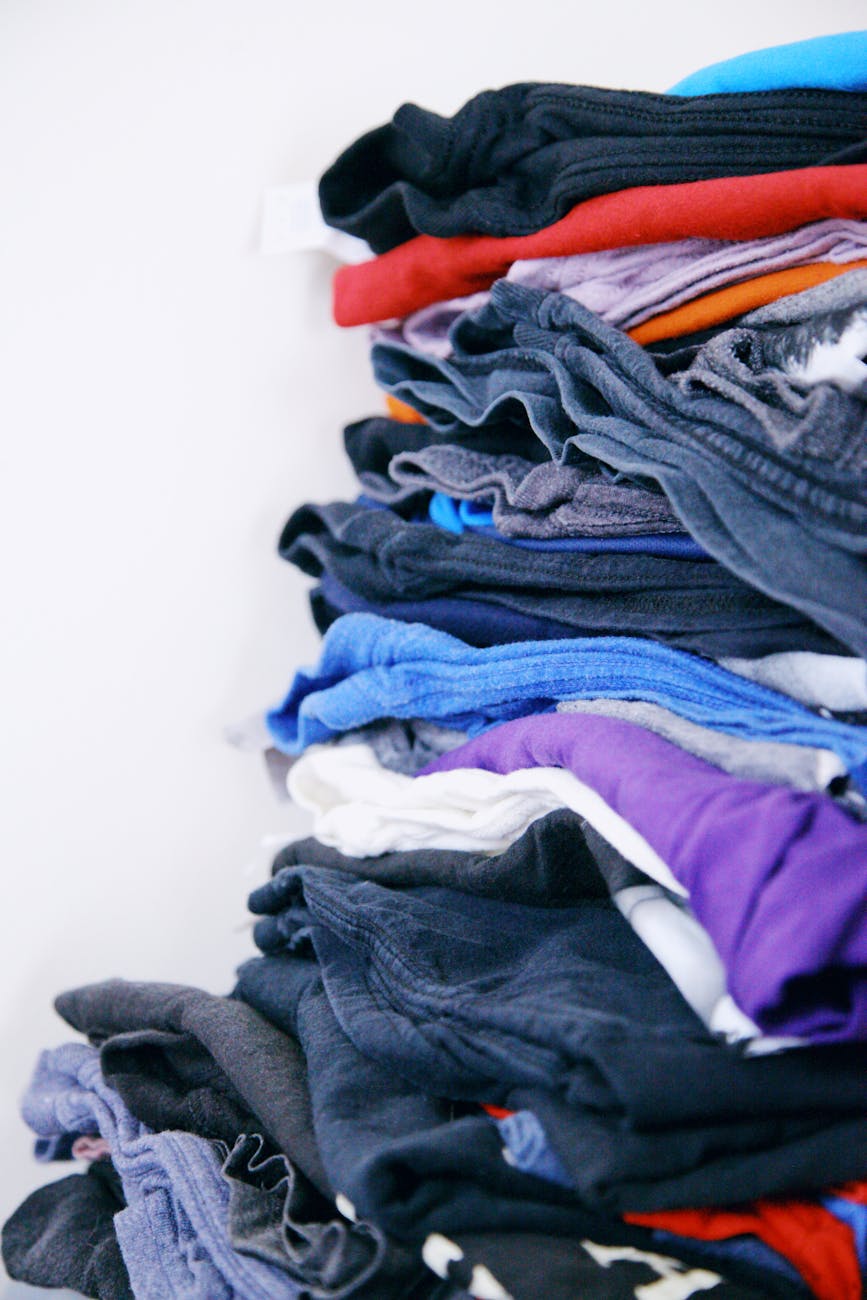
Sight
A pile of shirts, pants, socks, and underwear in different colors and patterns can be overwhelming. If you have enough laundry for a few washes, you might start by sorting the dirty clothes by dark colors (black, grey, deep colors), bright colors (yellow, orange, red, green, purple), and light colors (whites and creams). This has the added benefit of protecting your clothes from color bleeding.
If you want to clean all your clothes together, you can always sort them by color after they are dry, if it reduces visual stress. Additionally, you could sort the clothes by type. I like to separate shirts, pants, and undergarments before I fold everything. This also creates a routine so that I don’t have to mentally switch between different methods of folding and hanging clothes.
I hope some of these ideas help! If you have any ideas that I haven’t mentioned, please comment below to share with the community.
 The Point of Divergence